How to Move When You Have a Disc Bulge or Herniation?
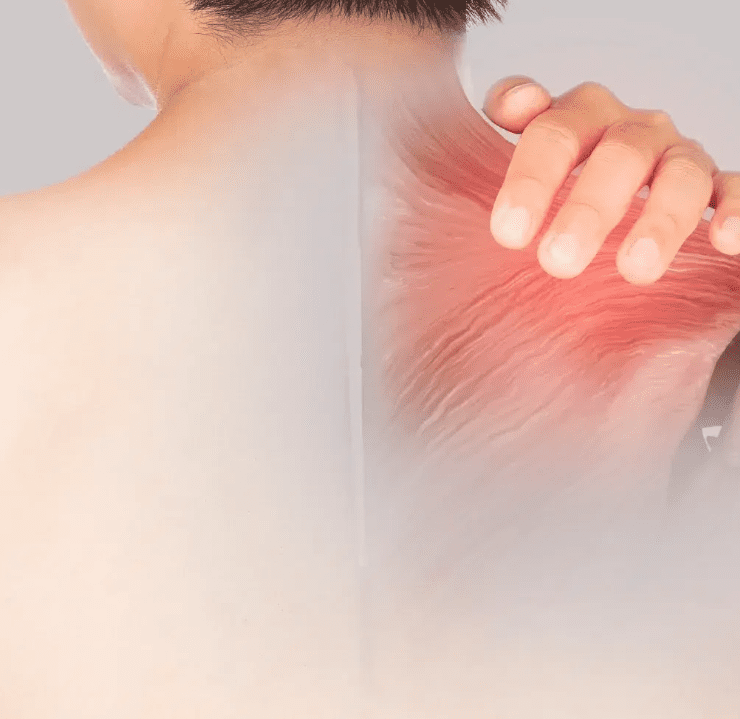
Experiencing a disc bulge or herniation can be very painful and even debilitating. When the jelly-like substance inside your disc (nucleus pulposus) pushes against the outer layer (annulus fibrosis), it often affects the lower back at the L4/5 or L5/S1 levels. This can press on spinal nerves, causing pain, weakness, and sometimes issues with bowel and bladder control.
Understanding and Managing a Disc Bulge
The key to managing a disc bulge is to maintain a neutral spine during all activities. This means keeping your back in a natural, aligned position to minimize pressure on the bulging disc and allow your body to heal. Use the following advice as a guide, but for specific advice for your injury, you may need the assistance of a physiotherapist.
Moving Around in Bed
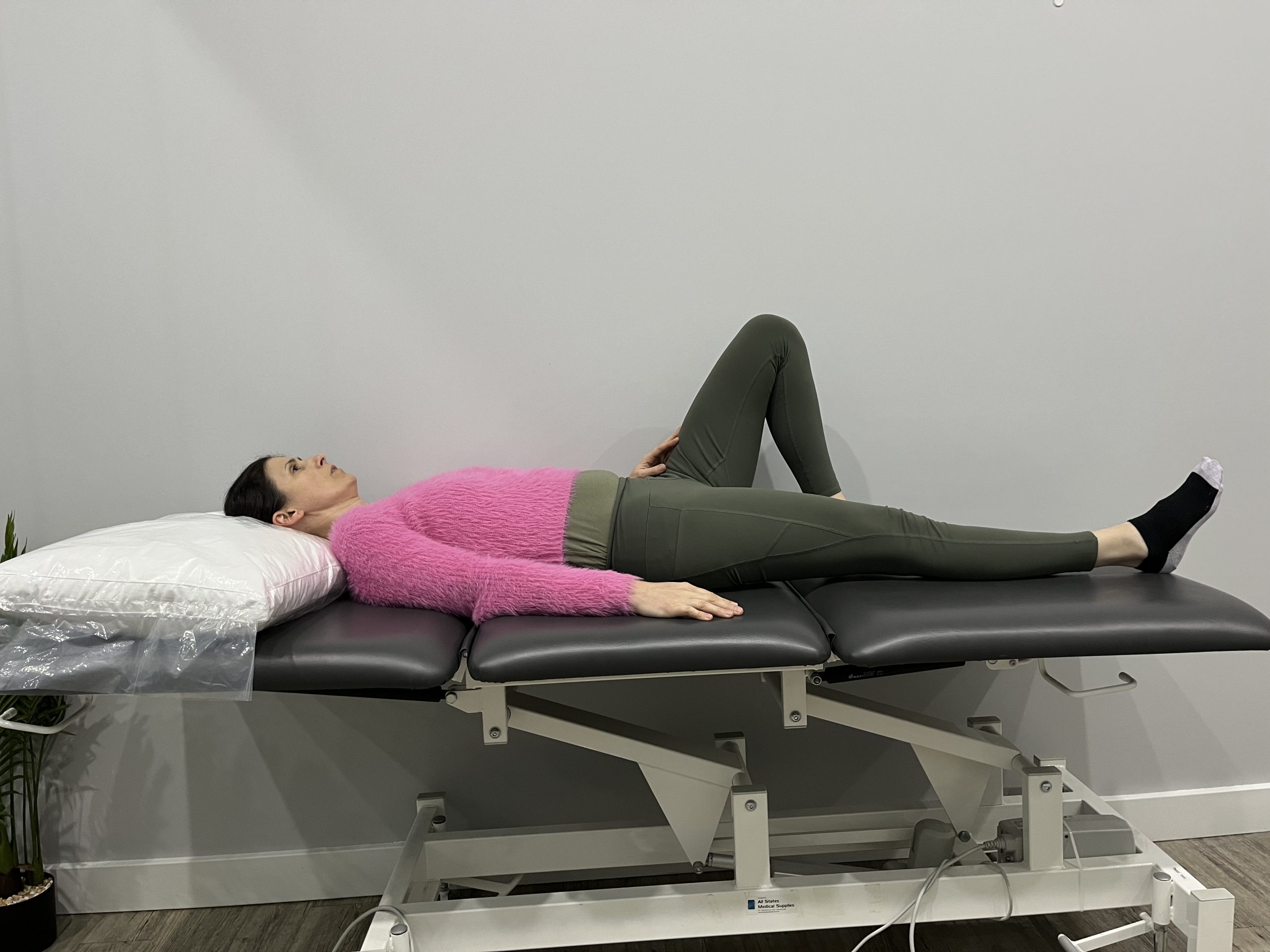
When lying down and getting up, avoid twisting your spine. Instead, use a log-roll technique:
- Lying Down: Lower yourself to the side of the bed and then roll onto your back in one smooth motion, keeping your shoulders and hips aligned.
- Getting Up: Roll onto your side, bend your knees, and use your arms to push yourself up into a sitting position, then slowly stand up.


Sitting Posture
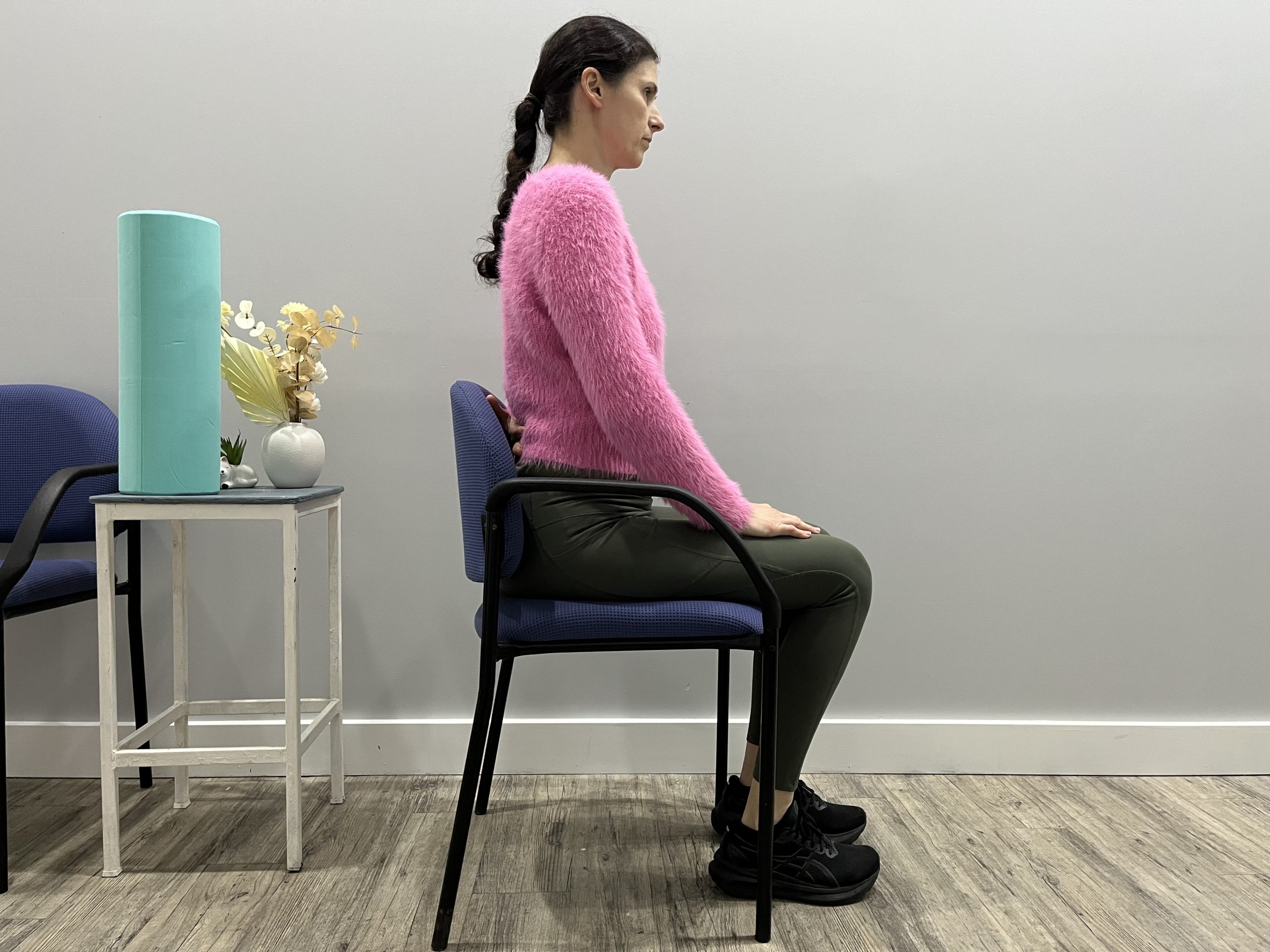
When sitting, especially for long periods:
- Sit up straight with a pillow to support your lower back (avoid slouching).
- Keep your feet flat on the ground, knees at a right angle.
- Maintain the natural curve of your lower back by using a small cushion if needed.
- Sit in the car with a pillow/cushion to support your lower back.
- Avoid slouching or leaning forward.

Standing Up from a Chair
To stand up without straining your back:
- Scoot to the edge of the chair.
- Place your feet shoulder-width apart.
- Lean forward slightly, keeping your back straight.
- Use your leg muscles to stand up, not your back.
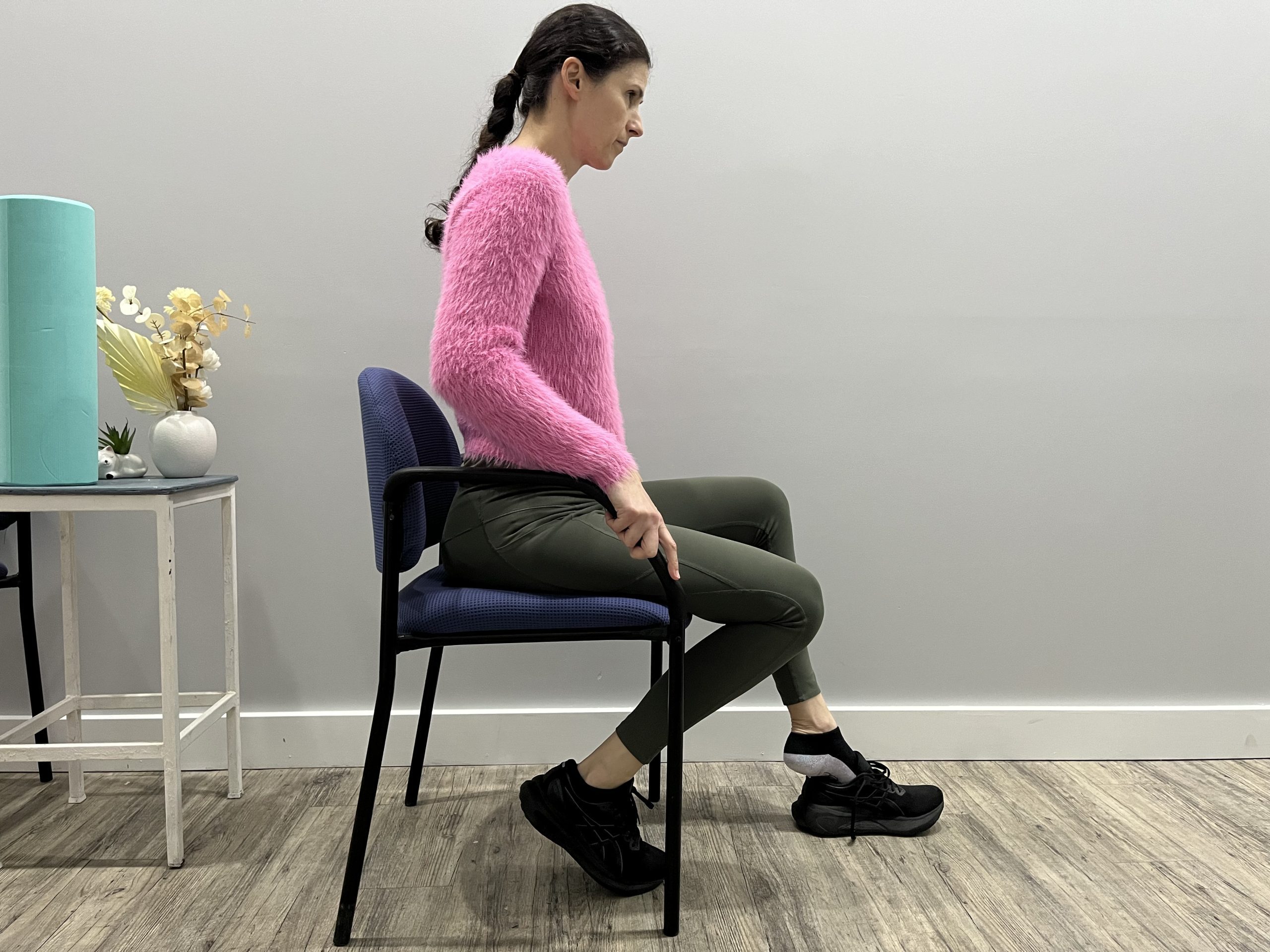
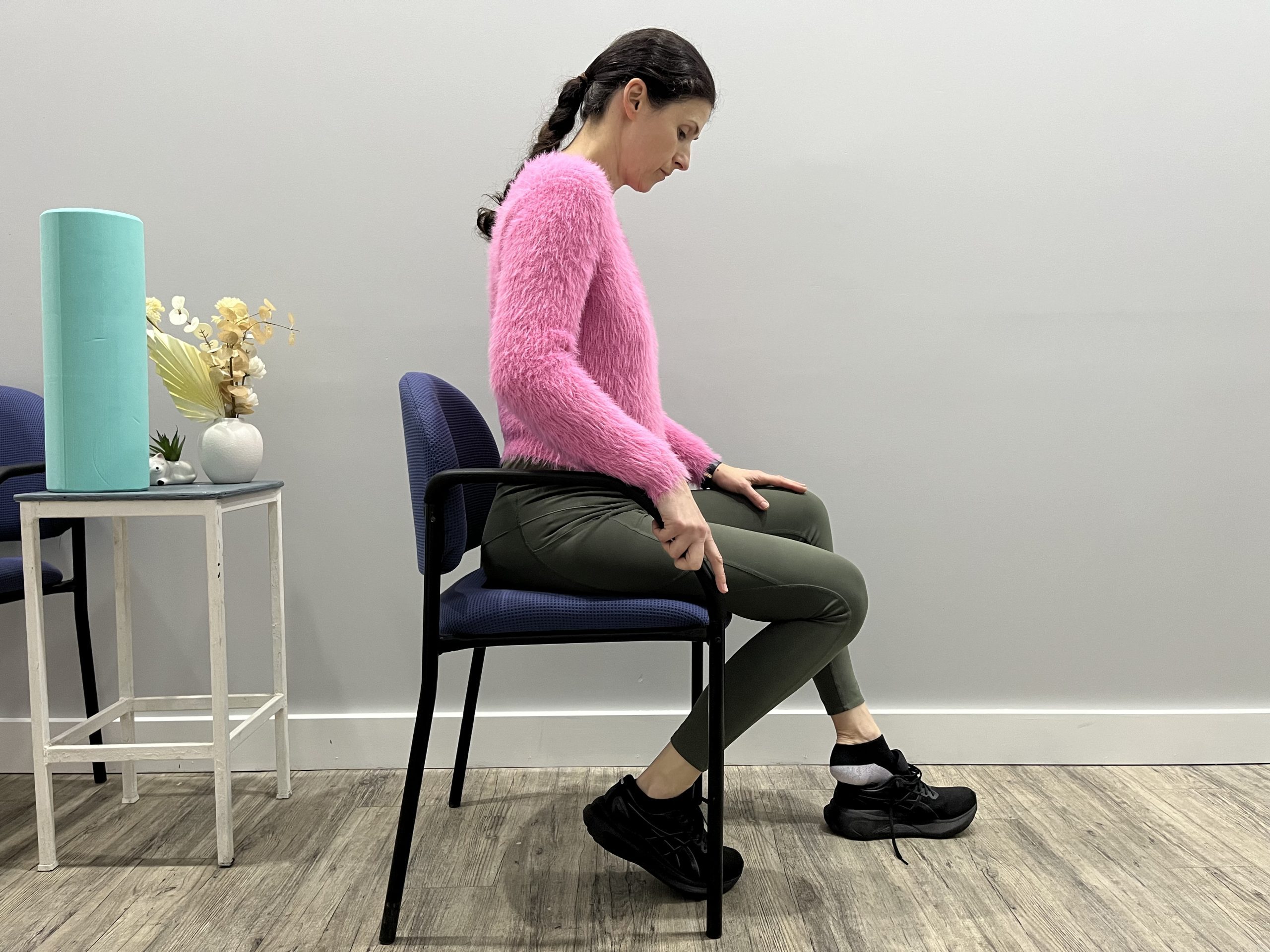
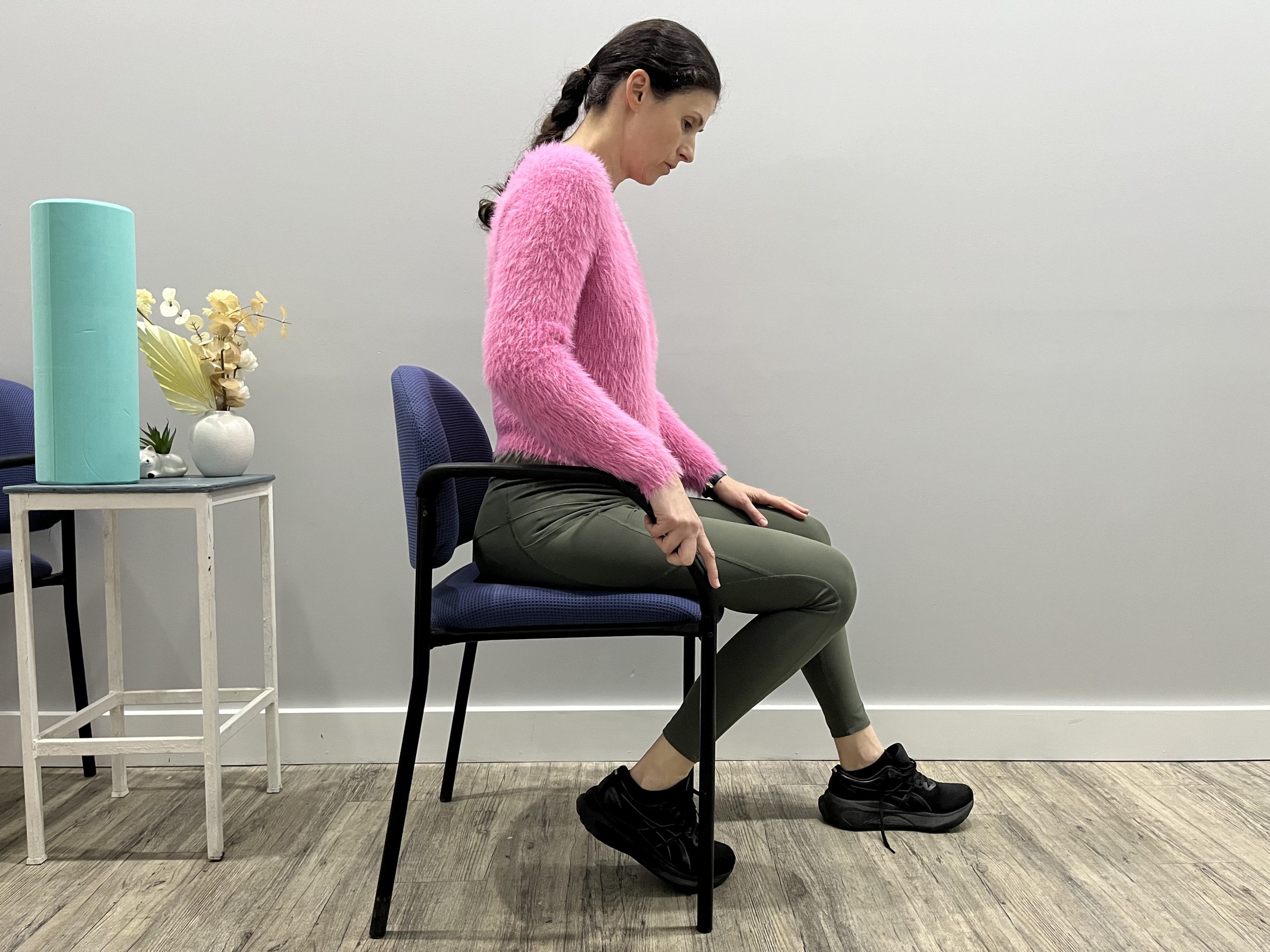
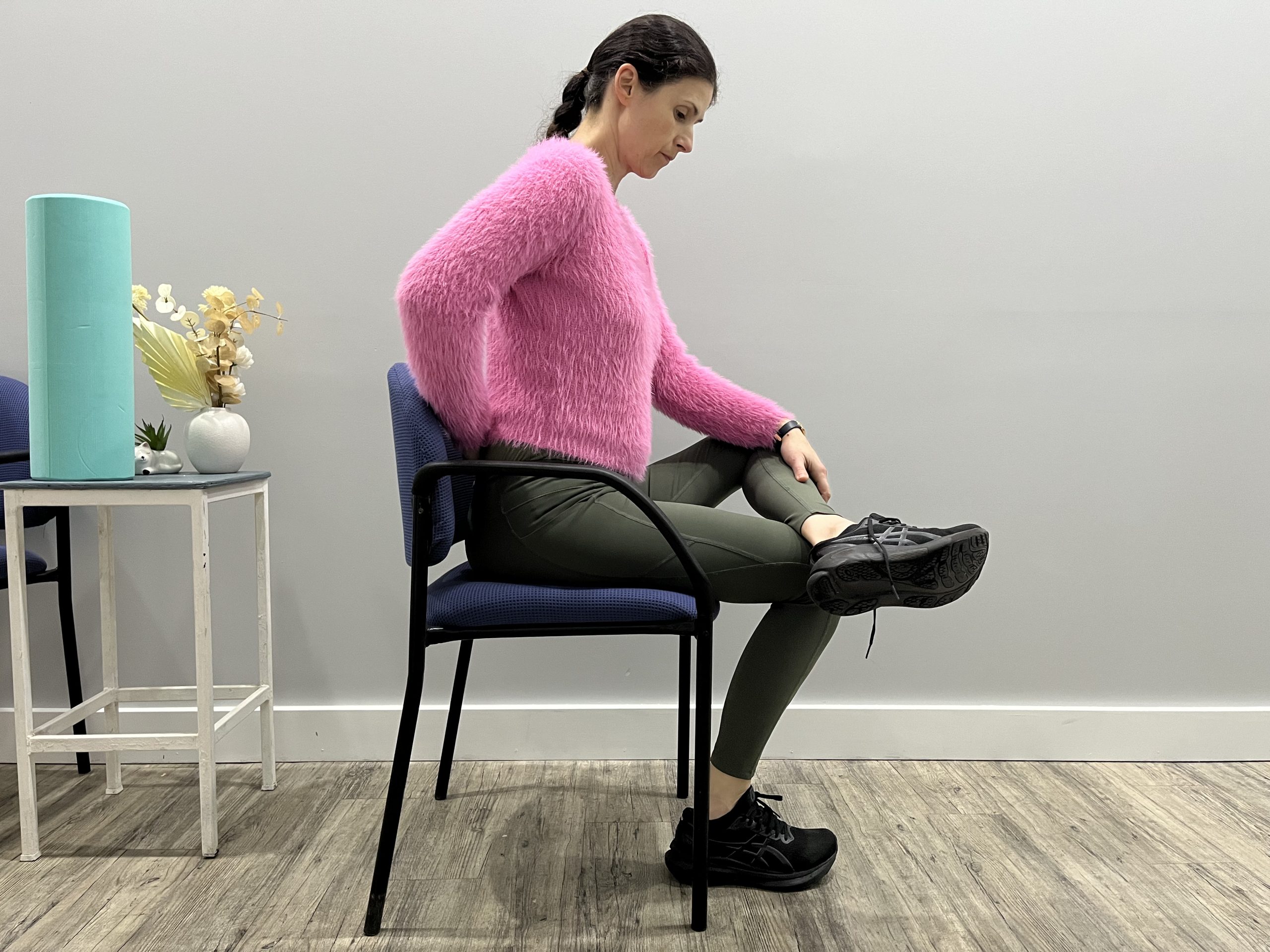
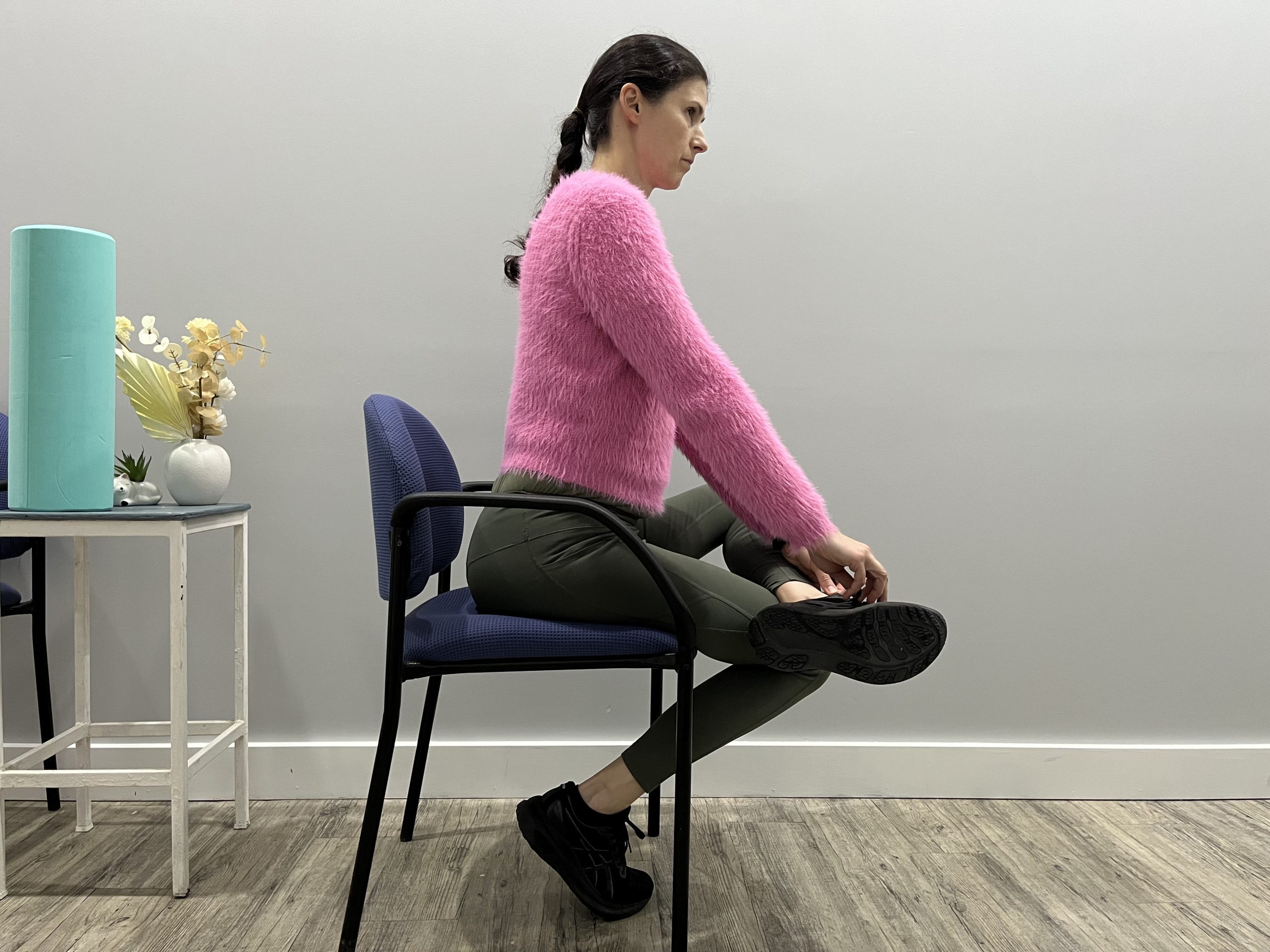
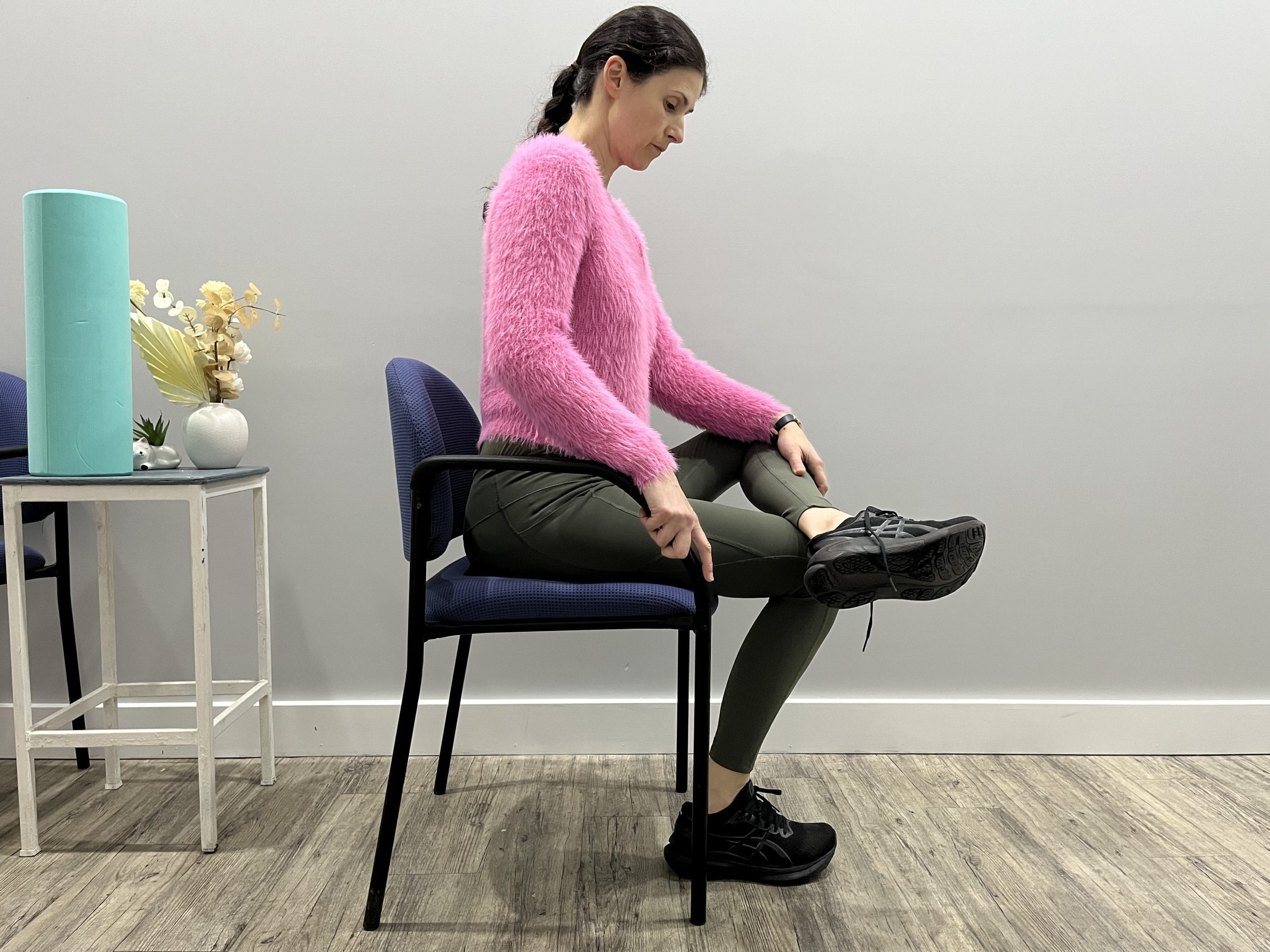
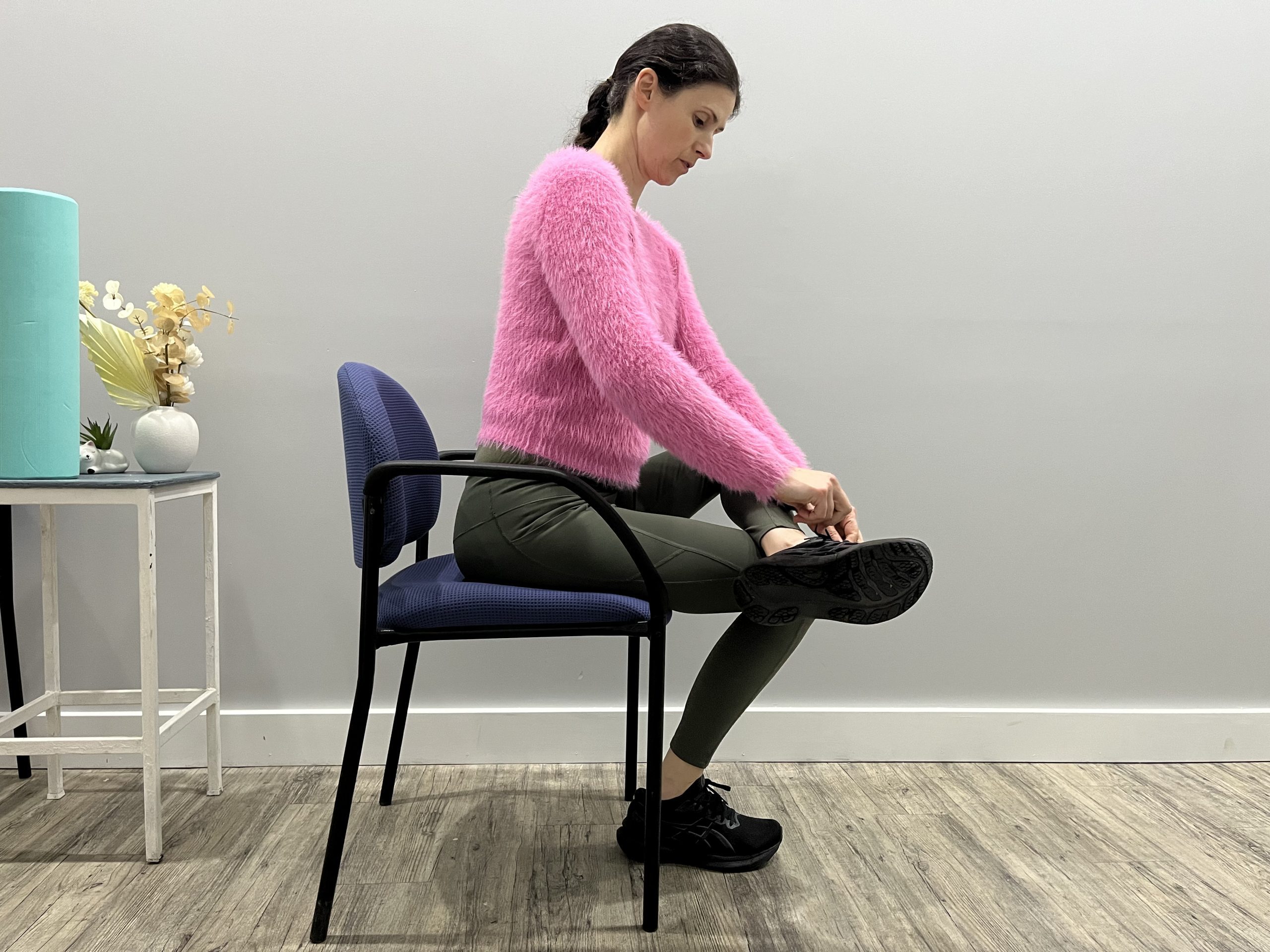
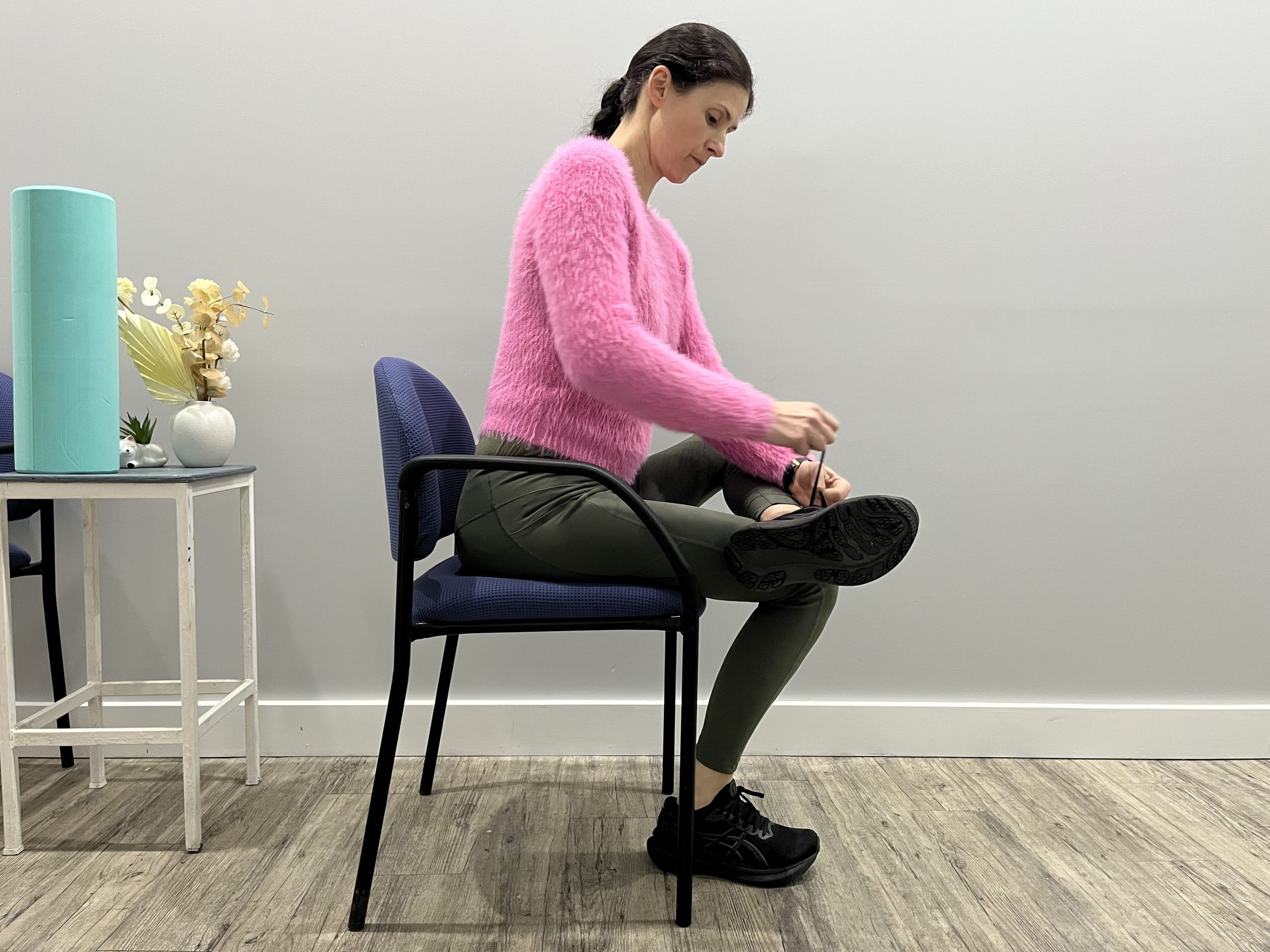
Putting Socks and Shoes On
- Sit up straight.
- Place your right ankle over your left knee.
- Maintain a straight back while putting your socks and shoes on this way.
Standing and Walking
When standing:
- Distribute your weight evenly on both feet.
- Avoid standing for too long in one position; shift your weight from one leg to the other periodically.
When walking:
- Keep a natural stride.
- Maintain good posture with your head up and shoulders back.
Getting In and Out of a Car
- Getting In: Sit down first, then bring your legs into the car. Avoid twisting your spine.
- Getting Out: Swing both legs out of the car first, then stand up using your leg muscles.
Work Movements
If your job requires repetitive movements or lifting:
- Always lift with your legs, not your back.
- Keep the object close to your body.
- Avoid twisting while lifting.
The Importance of Maintaining a Neutral Spine
The most important thing to remember when you have a disc bulge is to maintain a neutral spine, or as close to neutral as possible, with all the movements you do. This includes moving around in bed, getting up from lying down, sitting posture, standing up from a chair, and standing and walking.
Most people don’t realise that a disc bulge is very dynamic, meaning it can bulge out and bulge in depending on the types of postures and movements you put your back through in everyday life. Once you have a bulging disc, this indicates damage to the outer ring of the intervertebral disc.
Learning to maintain a neutral spine allows your pain to settle down within a few days to a few months, depending on the amount of damage and how disciplined you are in maintaining good movement patterns.
Examples Of Bad Posture
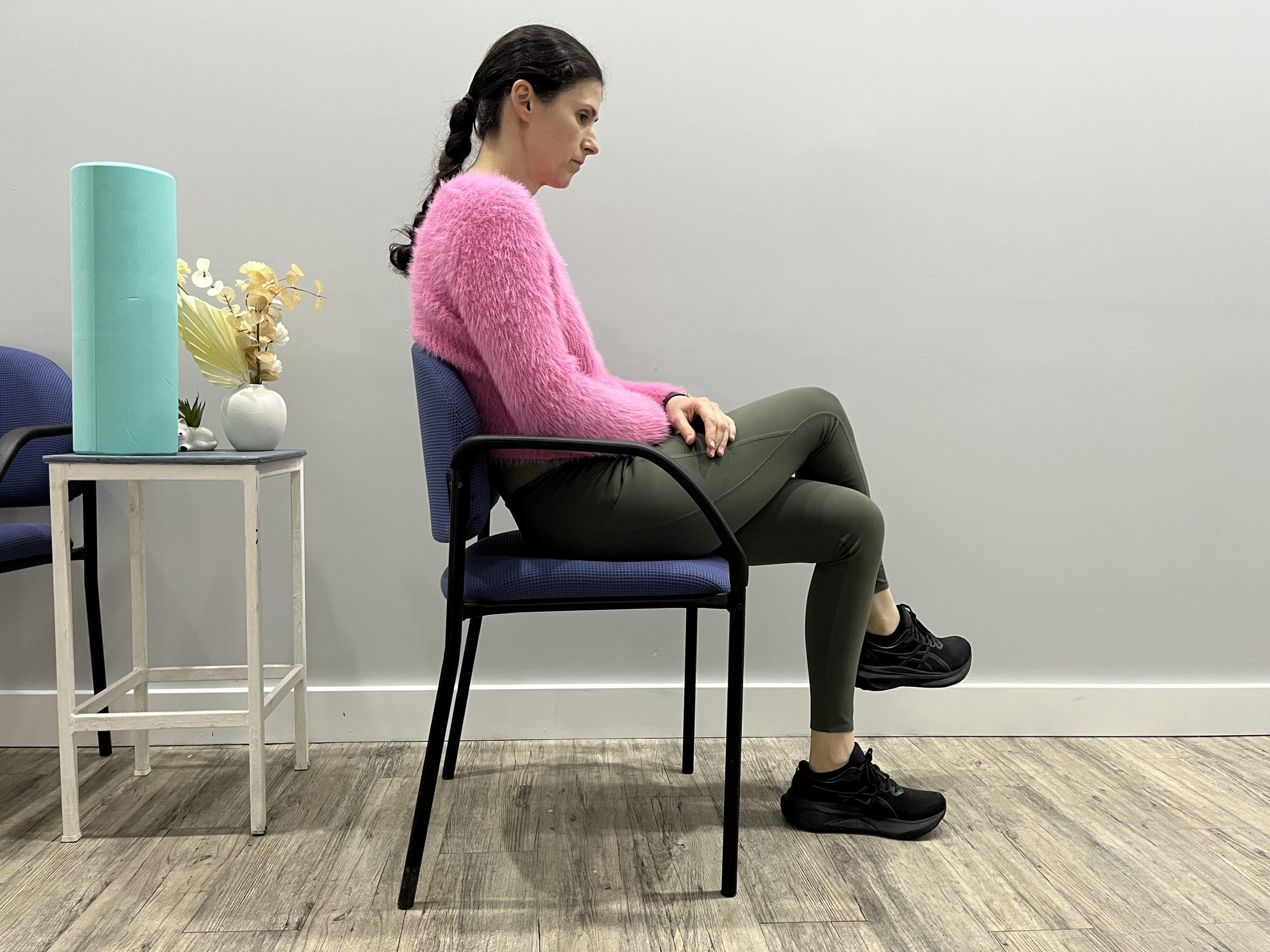

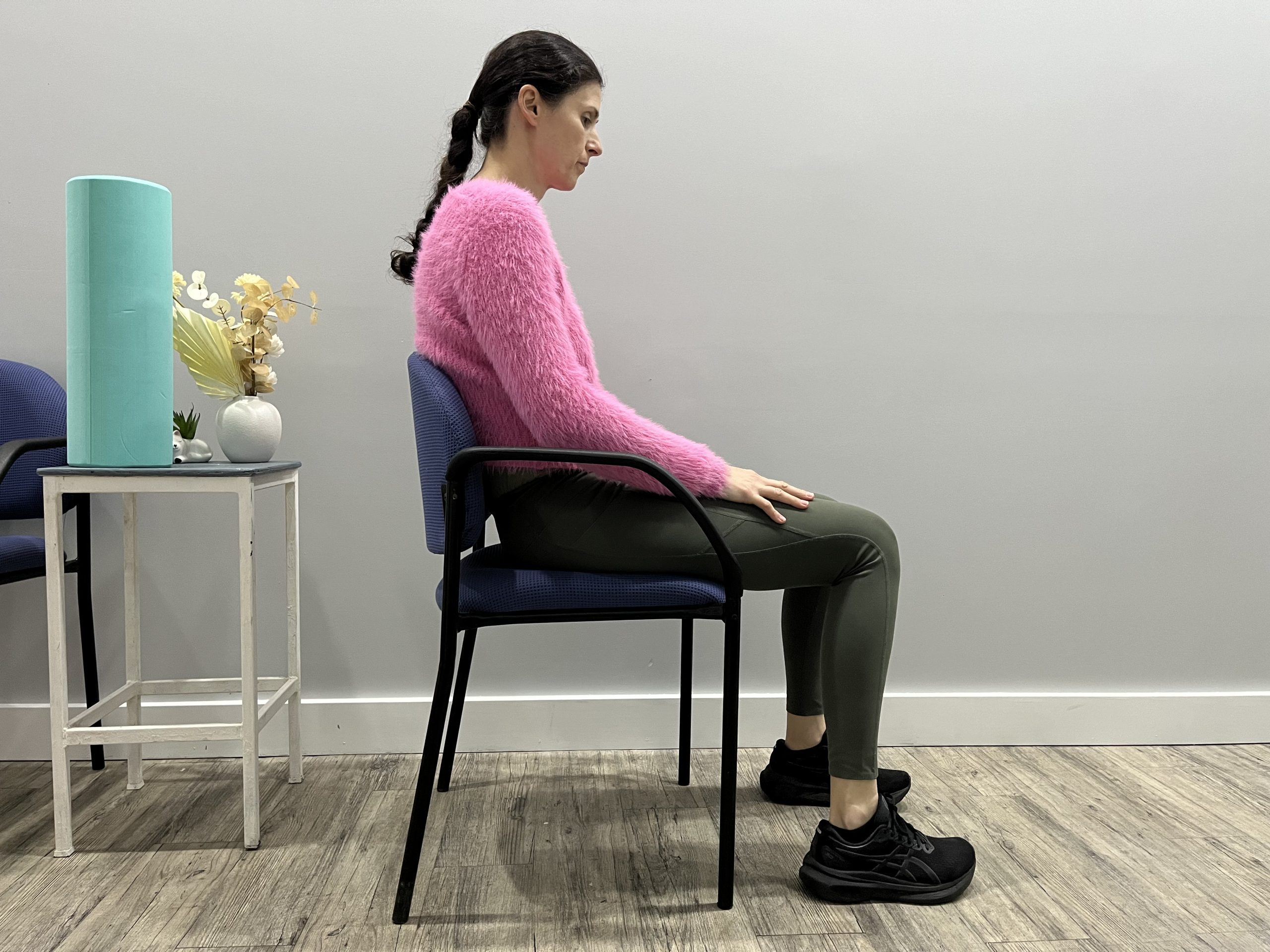
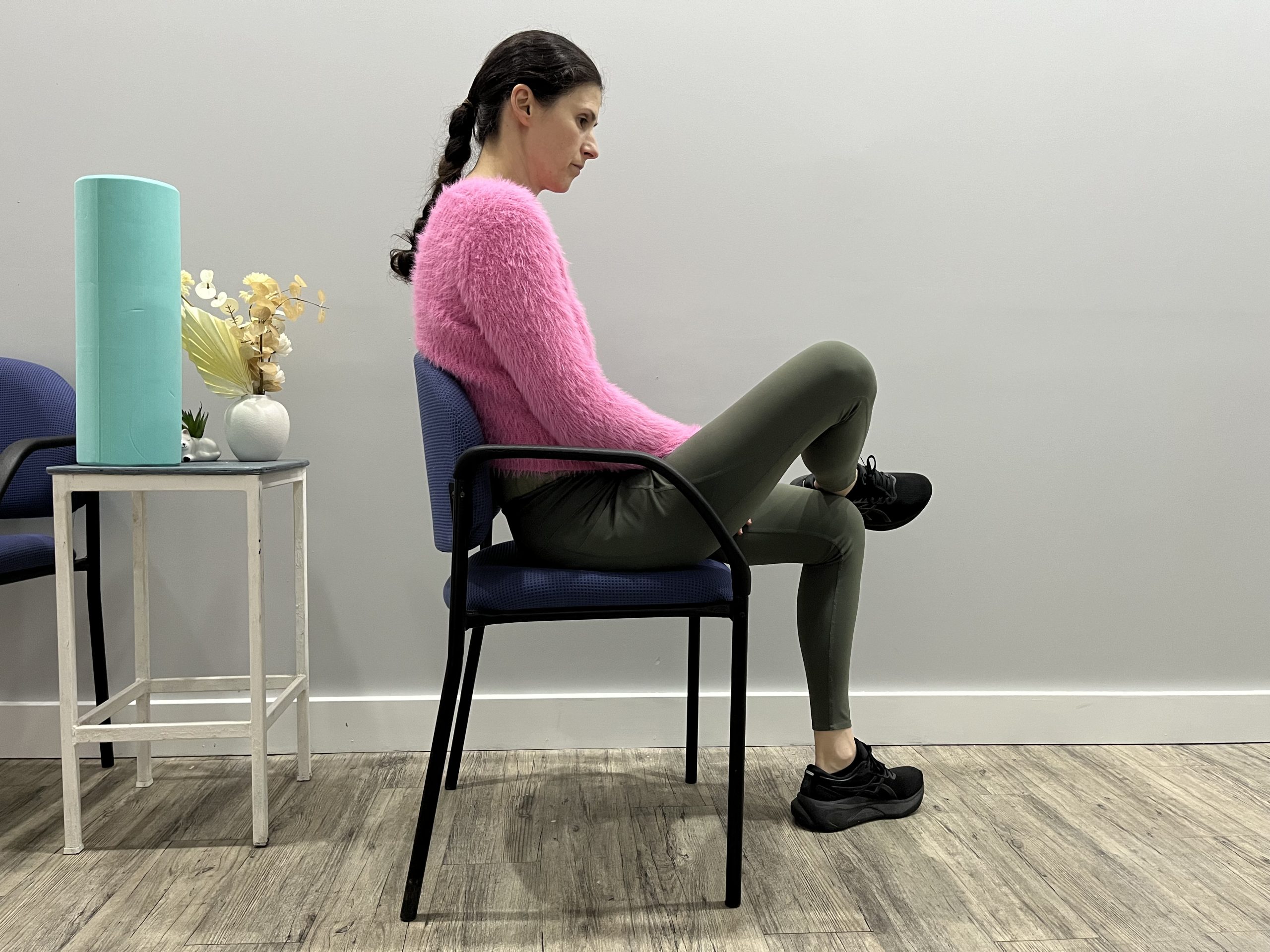

“The most important thing to remember when you have an acute disc bulge is to maintain a neutral spine.”Adriana Pascut – manager
Personalised Rehabilitation Program
A personalized rehabilitation program is essential for recovering from a disc bulge or herniation. This program will involve:
- Proper Bracing Techniques: Teaching you how to brace properly to support your spine.
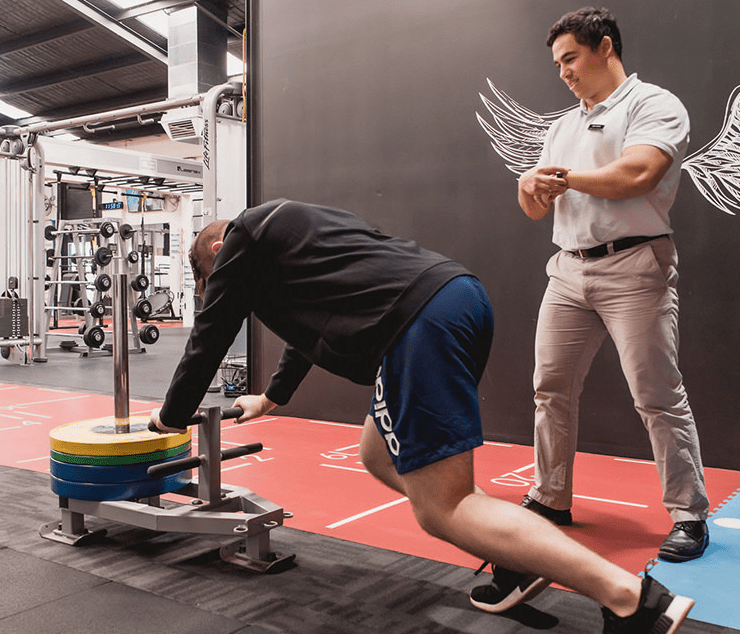
- Specific Exercises: Targeting all abdominal muscles as well as various lower back muscles, including the erector spinae, quadratus lumborum, and latissimus dorsi. These muscles play crucial roles in stabilizing the lower back in different positions and under varying loads.
- Lower Leg Muscle Conditioning: Conditioning the lower leg muscles to help you use your legs to bear the load and reduce stress on the lower back.
How Healthy Movements Physiotherapy Can Help
At Healthy Movements Physiotherapy, we specialize in helping you recover from disc bulges and other musculoskeletal issues. Here’s how we can assist you:
- Personalised Movement Coaching: We’ll teach you how to perform everyday activities with minimal pain, maintaining a neutral spine.
- Individualized Exercise Program: Our team will design a specific exercise regimen to strengthen your back and core muscles, promoting healing and preventing future injuries.
- Posture and Ergonomic Advice: We’ll provide guidance on the best sitting, standing, and sleeping postures to support your recovery.
- Comprehensive Support: From getting in and out of a car to managing work-related movements, we’re here to help you navigate your daily life safely and comfortably.
Ready to Start Your Recovery?
Don’t let a disc bulge control your life. Book an appointment with Healthy Movements Physiotherapy today and let us guide you on your path to recovery. We’re here to help you move better, feel better, and live as pain-free as possible.